

TRANRY: Your Professional Sprayer manufacturer!
Products have been exported to more than 30 countries and regions including Brazil, Chile, Argentina, South Africa, Australia, Russia, Ukraine, Kazakhstan, Egypt, Algeria, Pakistan, and Poland.
Rich Experience
We have been engaged in agricultural machinery manufacturing since 1999, with 24 years of manufacturing, sales and export experience. The factory area exceeds 90,000 square meters, 6 complete production lines and more than 80 experienced employees provide support for our production.
Professional Agricultural Machinery
Our products are mainly various tractors with power ranging from 8HP to 300HP. We also supply other agricultural machinery and equipment, including backhoe loaders, excavators, trailers, diggers, planters, harvesters, sprayers, plows, rakes, etc.
One-Stop Service
Our R&D, technology, service and after-sales teams will provide professional, energy-saving and reliable product solutions during your purchase process. Service staff are online 24 hours a day to provide professional one-stop services to customers in the agricultural field.
Product Quality Assurance
We follow a strict quality management system and have passed industry implementation standards such as ISO14000, ISO9001, GJB9001-2001A, etc., so that the safety and reliability of our products are guaranteed. Quality inspection specialists will also inspect every production link.
-
![Boom Sprayer]() Add to Inquiry
Add to Inquiry -
![Farm Pesticide Sprayer]() Add to Inquiry
Add to Inquiry -
![Atv Boom Sprayer]() Add to Inquiry
Add to Inquiry -
![Agricultural Power Sprayer]() Add to Inquiry
Add to Inquiry -
![Air Blast Sprayer]() Add to Inquiry
Add to Inquiry -
![Farm Pesticide Sprayer]() Add to Inquiry
Add to Inquiry -
![Agricultural Sprayer Machine]() Add to Inquiry
Add to Inquiry -
![Farm Spray Equipment]() Add to Inquiry
Add to Inquiry


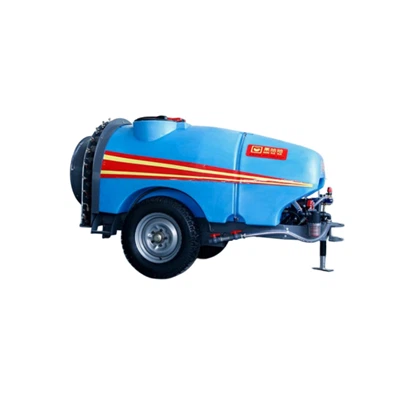


An agricultural crop sprayer is the equipment used for applying liquid substances to plants or crops. These substances could be fertilisers, herbicides, or pesticides - all of which are important for the maintenance of crop health during the crop growth cycle.
Agricultural sprayers come in various design types, sizes, equipment and performance specifications. They range from small spot-spraying machines to very large sprayers with extensive land and plant coverage. Agricultural sprayers have been engineered to optimize their applicability and performance for the many purposes that the machines are put to, whether being used on crops, vegetation, or soil. Agriculture sprayers are often used for applying water and water/chemical solutions containing acids or caustic materials for crop-performance or pest-control.
ypes of Farm Sprayers
Man-Portable Sprayers
These types of sprayers are commonly called Backpack Sprayers or Spot Sprayers. They do not hold a lot of liquid and are useful in specific applications. If you are trying to kill bagworms in your tree or need to apply concentrated chemicals to a small area, these are an excellent choice for that. The main advantage of a man-portable system is that it doesn’t require anything except for the sprayer and you. You can haul it on your back or in your vehicle. The main disadvantage of these types of sprayers is that they are not suitable for all tasks due to the smaller capacity.
ATV/UTV or Pickup Tank Sprayers
These are medium capacity sprayers. Farm sprayers like this are hauled in pick-ups, specialized trailers, or on an ATV/UTV. They can hold a lot more than man-portable sprayer systems and are used for a wider array of applications. If you own land that is not specifically used for growing crops, this might be the largest sprayer you need. The main disadvantage to these is that once again, they do not carry enough liquid to be useful on a large scale.
Boom Sprayers
The real deal when it comes to spraying down agricultural land. Farm sprayers like those built by New Holland can confront any task you have at hand. They are large capacity sprayers purpose-built to deliver results. Whether you need to apply herbicide, pesticide, or fertilizer, a boom sprayer can get the job done. The main advantage of these systems is that they can cover a vast area quickly. The boom on many of these can be over 100 feet long and can inundate an entire area quickly.
Boomless Sprayers
Boomless sprayers are seen more often in construction and municipal endeavors. They are often small tanker trucks that have a rear-facing spout that can be opened to release the liquid stored in the tank. Water trucks to keep the dust down are a common example of this type of vehicle. These types of farm sprayers can be cheap, especially if purchased used, but do not have the same control or reach of a traditional boom sprayer. They only release liquid in a straight line behind them and can cause damage with their wheels.
Tow-Behind Sprayers
Farm sprayers like a 3-point hitch sprayer are pulled behind a vehicle and can spray from there. They are great for reaching places that a large boom sprayer can’t reach and are widely used in forested land. This maneuverability makes them great for larger jobs that an ATV/UTV or man-portable system would have trouble dealing with. Capacity can be an issue with tow behind sprayers, but they come in a wide variety of sizes. They are appropriate for anyone who is training to maintain land or has a crop in a hard to reach area between rivers and trees.
Mist Sprayers
Mist sprayers are often called foggers and release the liquid they carry in a very fine cloud or mist. This allows them to deploy pesticides and other chemicals over a reasonable area. They are great for sensitive corps that can be difficult to work around and easy to damage. Mist sprayers use less chemical to produce the same effect as a traditional sprayer but do have limitations. Not all liquids are appropriate for a mist sprayer, as some chemicals and fertilizers take a heavier dosage to be effective.
The Principle of Operation of the Sprayer
At present, it is divided into four types according to the principle of sprayer spraying


Bernoulli Principle
Bernoulli's principle says that in the same fluid, the flow rate is large, but the pressure is small; the flow rate is small, and the pressure is strong. The fluid will automatically flow from high pressure to low pressure. When passing through the three-legged pipe, the low-speed flowing water flows to the high-speed flowing air. The water is torn into droplets by high-speed air (Imagine that the water flowing out of the faucet has a slow speed at first, which is a column of water; but then the speed gradually increases and then becomes drop by drop). These small water droplets become fog after spraying out.
The Principle of the High-Speed Water Flow Breaking Into Small Water Droplets After Hitting an Obstacle
It uses the principle of pressing water into a thin tube to cause a high-speed water flow, and the high-speed water flow breaks into small water droplets when it hits an obstacle. The situation is like turning on the faucet and blocking it with your fingers. Household sprayers often use this structure, and the cost is low.
The Principle of the Centrifugal Force to Throw the Liquid Out
It is a high-speed rotating atomization disk that uses centrifugal force to throw the liquid out and shred it into small droplets. Similar to the situation when an umbrella is spinning.
The Principle of Ultrasonic Atomization
Vibration can cause "sprays" on the water surface. The vibration frequency of ultrasonic waves is very high, so the wavelength of its "waves" is very small, so its "sprays" - small water droplets are also very small, and these small water droplets become fog.
Benefits of Sprayers Used in Agriculture
Precision Application
One of the primary advantages of agricultural sprayers is their ability to provide precise and targeted application of agricultural inputs. This precision minimizes wastage and ensures that the intended substances are applied directly to the crops or plants, maximizing their effectiveness.
Increased Efficiency
Agricultural sprayers significantly enhance the efficiency of the application process. Compared to traditional manual methods, sprayers cover larger areas in less time. Sprayers equipped with advanced technology and design, facilitate quick and uniform distribution of substances, contributing to increased overall efficiency in farming operations.
Time Savings
Time is a critical factor in agriculture, and sprayers help farmers save valuable time. The efficient and rapid application of substances with these sprayers allows farmers to complete tasks in a timely manner, enabling them to attend to other essential aspects of farming.
Uniform Coverage
Achieving uniform coverage of crops or plants is crucial for the success of any agricultural application. Sprayers ensure that substances are distributed evenly across the target area, preventing under-application or over-application. This uniform coverage contributes to consistent crop growth and protection.
Versatility in Application
Range of agricultural sprayers is designed to cater to various farming needs. Whether it’s pest control, fertilization, weed management, or disease prevention, these sprayers are versatile enough to handle different substances and applications. This flexibility makes them suitable for a wide range of crops and farming practices.
Cost-Effective Solutions
Investing in agricultural sprayers proves to be a cost-effective solution for farmers. The precise application and efficiency of these sprayers reduce the quantity of substances needed, minimizing overall costs. Additionally, the time savings associated with sprayer use contribute to labor cost reductions.
Improved Safety for Farmers
Sprayers prioritize the safety of farmers during the application process. Modern sprayers are equipped with safety features that minimize exposure to harmful substances. This ensures that farmers can carry out their tasks without compromising their health, promoting a safer working environment.
Adaptability to Various Farm Sizes
Whether a farmer operates on a small-scale or large-scale farm, sprayers are designed to adapt to different farm sizes. This adaptability makes them suitable for a diverse range of agricultural settings, allowing farmers with varying scales of operation to benefit from their advanced technology and features.
Common Uses of Agricultural Sprayer

Mapping
The new drone sprayers are equipped with software that follows a specific path for mapping. They are equipped with cameras and sensors onboard that take pictures automatically. Other drones are equipped with GPS to measure farm sizes and to monitor areas that need spraying attention. In addition, they are capable of carrying more pesticides and fertilizers without tampering with crops as compared to tractors. It also helps in reducing pesticide exposure to humans that would have sprayed manually.
Liquid Fertilizer Application
Liquid fertilizer application is the appropriate use in dryland. This sprayer is parked with liquid fertilizer to make this method efficient. It is the perfect choice because of its ability to target a specific crop without losing a lot of liquid to the winds or evaporation. Furthermore, this type of spraying is very beneficial for crop growth and early rooting. Although the main purpose is to supply crops with nutrients.
Spraying Water
A water sprayer is a device used to spray water on plants and animals. Apart from spraying pesticides and fungicides, sprayers can be used to hydrate plants and animals. There are high-pressure sprayers that are used over small areas for irrigation. Additionally, before crops are harvested they are sprayed with fresh water to clean any chemical deposits that could have been left behind. During hot weather, sprayers are used to cool livestock and insects that are kept for agricultural purposes.
Spraying Fungicides
Fungi, blight, and rusts are controlled by the use of a hand sprayer. They are the plant’s worst enemy because they lower crop production. Parasitic fungi affect the animals as well. But with the help of a hand sprayer, a farmer is able to control them. Most fungicides are sold in liquid form and contain 90% Sulphur. Sprayers are very effective when it comes to controlling the fungi since most of them affect the leaves.
Pest Control
Agricultural pest sprayer is one of the most efficient gadgets that is used for controlling pests. Pesticides are mixed with water and then sprayed to areas infested. In areas that are highly infested, spraying is done every two weeks. It is also sprayed on the livestock to kill ticks and other dangerous pests that lower production. Houses are also sprayed to get rid of mosquitoes, cockroaches, ants, bed bugs, reptiles and so on.
Spraying Herbicides
Unwanted vegetation is controlled by the help of sprayers. To achieve this, the herbicide is mixed with water inside a sprayer. The farmer then sprays over the unwanted vegetation which dries up after a few days. In the past farmers were able to spray in a piece of land with unwanted vegetation only. However, scientists introduced new chemicals that can select and eliminate unwanted crops in the same land. The selective herbicides are administered using a sprayer too.
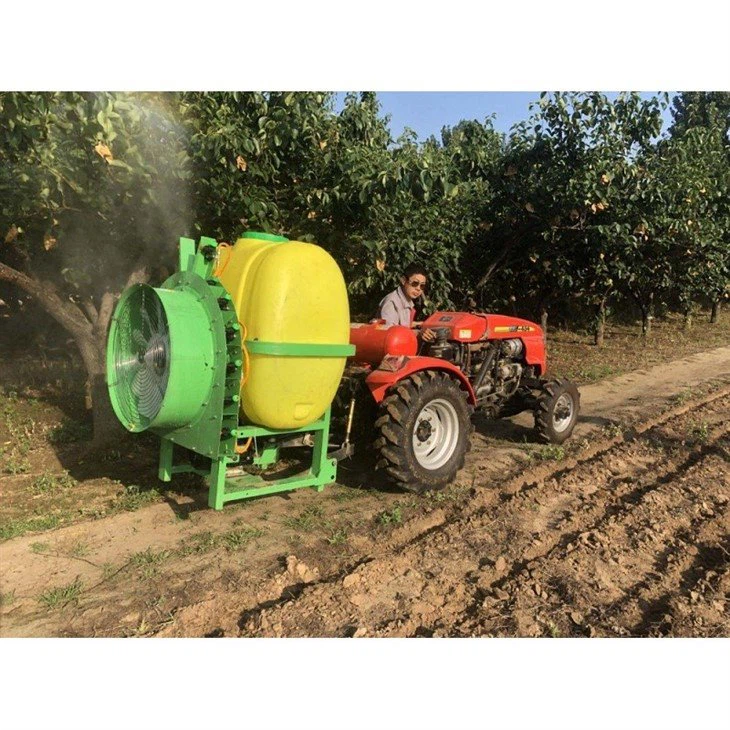
Tank: The tank holds the liquid solution (pesticides, fertilizers, etc.) that will be sprayed onto the crops. The size of the tank varies based on the capacity needed for specific applications.
Pump: The pump pressurizes the liquid in the tank, creating the necessary force to propel the spray through the nozzles. There are different types of pumps, including diaphragm pumps, piston pumps, and centrifugal pumps.
Pressure Regulator: The pressure regulator maintains a consistent pressure in the system. This ensures a uniform application of the spray and prevents over-spraying or under-spraying.
Agitation System: Some sprayers have an agitation system, which stirs the liquid in the tank to maintain a homogeneous mixture. This is essential to prevent settling of particles and ensure an even distribution of the solution.
Boom: The boom is the structural framework that supports the nozzles and allows for the even distribution of the spray over a wide area. Booms can be mounted on the rear or front of the sprayer and may have a fixed or foldable design.
Nozzles: Nozzles are responsible for breaking up the liquid into droplets and distributing them over the crop canopy. Different types of nozzles are available for various applications, including flat-fan, cone, and adjustable nozzles.
Filters: Filters are installed in the sprayer system to prevent debris and particles from entering the pump and nozzles. This helps maintain the efficiency of the sprayer and prevents clogging.
Hoses and Plumbing: Hoses and plumbing connect the various components of the sprayer, allowing the flow of liquid from the tank to the pump, through the boom, and ultimately to the nozzles.
Controls and Valves: Controls and valves regulate the flow of liquid through the system. This includes on/off switches, pressure control valves, and section control valves for shutting off specific sections of the boom independently.
Gauge: A pressure gauge indicates the pressure in the system, allowing the operator to monitor and adjust the spray pressure as needed.
Hydraulic System (optional): Some larger sprayers may have a hydraulic system for boom height control, tilt control, or other automated functions.
GPS and Guidance System (optional): Advanced sprayers may be equipped with GPS and guidance systems for precision application. These systems help optimize spray coverage, reduce overlap, and improve overall efficiency.
Considerations for Choosing an Agricultural Sprayer
Whether it’s corn, soybeans, wheat, cabbage, or sunflowers, the type of crop you are treating may affect your choice of sprayer. The products intended for crop protection differ because different crops have different needs. In addition, different areas of the plant may need to be targeted depending on the pest and diseases meant to be eliminated or prevented. This is why precision spraying is important, and the right agricultural sprayer parts will need to be selected.
The goal in agricultural spraying is to protect your crop and encourage growth. But you want to treat only your intended area. For many reasons, shielding nearby fields is a priority when using agricultural sprayers. Temperature, moisture levels, and wind speed are important considerations when estimating how far your liquid mixture will travel, and what the drying time will be. You need agriculture sprayer parts that will distribute your chosen chemicals in the required amounts, for the exact uses you intend. Consider this when choosing a nozzle. Your nozzle choice will affect the droplet size. It will also affect the speed at which the liquid is dispensed.
The assortment of agricultural sprayers to choose from varies just as much as the possible crops to be sprayed. Depending on the size of your crop, for instance, you can choose anything from a hand sprayer with a one-liter capacity to a four-gallon backpack sprayer that can spray for ten hours. A very large job may require a three-point agricultural sprayer connected to a tractor or ATV.
Before you start a new agricultural spraying job, take the time to assess all your equipment and agricultural sprayer parts. Once you’ve determined what parts and equipment are best suited to your task, you still need to be sure that all those parts and equipment are in good repair. Test everything before starting, and replace or repair worn out parts. For example, have you examined your sprayer seal to make sure there is no leakage? Check your pressure as well.
Weigh the costs and benefits when considering your desired agriculture spray pump price. A smaller or manual sprayer may be less expensive but may also take considerably more time and effort to use. Or, if you’re spraying a small berry crop, for instance, that may be just what you need to do that job. To avoid frustration, invest in the best quality and efficiency you can for the job you are doing.
Efficient Ways to Use Agriculture Sprayers
Choose the Right Sprayer and Nozzle
Selecting the appropriate sprayer for your specific farming needs is the first step in ensuring safe and efficient use. You might consider factors such as the size of your farm, crop type, and the specific chemicals you will be applying. Similarly, selecting the correct type and size of nozzles is critical for ensuring efficient and accurate application. Nozzles determine the droplet size and spray pattern, which can affect the coverage and efficacy of the agrochemicals. It is essential to match the nozzle type and size to the specific requirements of the agrochemical being applied and the crop being treated.
Follow the Manufacturer’s Instructions
It is essential to carefully read and follow the manufacturer’s instructions and guidelines for your sprayer model. This includes proper assembly, maintenance, and operation of the sprayer. Pay attention to settings such as nozzle type, pressure, and flow rate as recommended by the manufacturer to ensure efficient and effective application. Properly understanding and implementing the manufacturer’s instructions will result in safe and reliable sprayer operation.
Wear Proper Protective Gear
Personal protective equipment (PPE) is critical when operating agricultural sprayers. Wear appropriate protective clothing, such as long-sleeved shirts, long pants, chemical-resistant gloves, goggles, and a respirator, to protect yourself from exposure to chemicals and reduce the risk of respiratory, dermatological, or eye-related health hazards. Safety should always be a top priority when using agricultural sprayers.
Calibrate Your Sprayer
Calibration is a crucial step in achieving accurate and efficient application of chemicals. Regularly calibrate your sprayer by checking the nozzle flow rate and adjusting the pressure accordingly. This will help prevent the over or under-application of chemicals, which can result in uneven coverage or reduced efficacy. Proper calibration ensures that chemicals are applied at the right rate, optimizing their effectiveness while minimizing waste. Failure to calibrate the sprayer correctly can result in under-application or over-application, both of which can have negative consequences on crop yield and environmental safety.
Consider Environmental Factors
Environmental factors play a significant role in the safe and efficient use of agriculture sprayers. Avoid spraying on windy days to prevent drift and potential damage to neighboring crops, water bodies, or wildlife. Be mindful of temperature and humidity conditions, as they can affect the efficacy of certain chemicals. Properly considering environmental factors ensures that chemicals are applied effectively, minimizing any adverse impact on the environment.
Precautions to take when using a sprayer include:
1.Keep the label on each container so everyone can see what it contains and its safety precautions.
2.Read the label on the product you are using. The label will identify the Personal Protective Equipment (PPE) you need to wear when handling the product and the hazards of using that product.
3.Always follow the application rate as directed on the product label.
4.Always wear eye protection, gloves, long-sleeve shirt and long-leg pants when handling chemicals, and take your time when mixing.
5.Triple-rinse empty pesticide containers and do not reuse them; dispose of empty containers properly after rinsing.
6.Immediately wash with clean water and change your clothes if pesticides are sprayed or spilled on you. Wash your work clothes separately from other clothing after mixing and using pesticides to prevent cross-contamination of yourself and your family.
7.Wash your hands before eating, drinking, chewing gum, using tobacco or touching your nose or mouth.
A Guide to the Care and Maintenance of Agricultural Sprayers
Cleaning
Each time you use your agriculture sprayer, make sure you clean it thoroughly. It will help to remove any residue or debris that may have accumulated in the tank or on the nozzles, which can clog the system and affect the spray pattern. After cleaning the tank with mild soap and water, rinse it thoroughly to prevent residue buildup.
Storing
It is crucial to store your agriculture sprayer in a dry, protected area when it is not in use. In the future, the coating will prevent rust and corrosion from causing serious problems. Covering the sprayer with a protective tarp or cloth can help to keep it clean and dry and provide an extra layer of protection from the elements.
Inspecting
Regular inspections are a critical part of the maintenance plan for your agriculture sprayer. During these inspections, you should check the tank, hoses, and nozzles for leaks, cracks, and other damage. The pump and other mechanical parts should also be checked for proper operation, as any issues with these parts can quickly cause problems with the low-volume sprayer’s performance.
Calibration
Proper calibration of your agriculture orchard sprayer is essential to ensure that you are applying the correct amount of pesticide or herbicide. You will avoid waste and over-application by doing this. The calibration process should be followed according to the manufacturer’s instructions to ensure accuracy.
Maintenance
Regular maintenance is critical to the longevity of your agriculture sprayer. Some tasks may include oiling moving parts and replacing damaged or worn parts. Neglecting maintenance can lead to serious problems, including pump failure and other mechanical issues, which can be costly to repair.
Proper Usage
In addition, when operating an agriculture sprayer, you must follow your manufacturer’s instructions and guidelines. Overfilling the tank, operating the sprayer at excessive speeds, and other improper usage practices can cause serious problems, including pump failure. By following the manufacturer’s guidelines, you can help to prevent damage to the tractor-mounted sprayer and ensure its longevity.
Boom Sprayer VS Boomless Sprayer
Boom Sprayer
Boom Spraying is about coverage and accuracy. They generally run closer to the ground meaning that they’re less affected by the wind. This also means that the spraying is more accurate and much easier to track what has been sprayed and what hasn’t. Due to the width of the boom, Boom Sprayers also allow you to spray a larger area in a shorter amount of time, therefore saving you time and money on big spraying jobs.
When you should use a Boom Sprayer
Boom sprayers are perfect for field spraying large areas, particularly even/ level pastures. If your property is prone to wind in specific seasons then a boom sprayer can be set up to help you reduce chemical drift and reduce your environmental footprint. Essentially, if you’ve got a large flat area that you need to spray quickly then a boom sprayer is going to save you mountains of time.
Boomless Sprayer
Boomless sprayers are great for small, fast jobs with minimal fuss. They’re easier to manoeuvre as they don’t take up mountains of space on the back of your tractor, UTE or ATV. Because you’re working with fewer nozzles it means that they are easy to monitor and require less maintenance, which will save you time and money if you are only doing small jobs. Whereas booms need to be monitored as you spray because they are wider than your tractor or UTE etc, a boomless nozzle fits in neatly behind and your attention can be squarely fixed on travelling forward. Finally, due to the smaller size of a boomless sprayers, it makes them much easier to store. So, if you’re tight on shed space then a boomless sprayer might be for you.
When You Should Use a Boomless Sprayer
Boomless sprayers are versatile and can take on the tougher more complicated sprayer jobs. They’re perfect for ditches and rough uneven terrain, around objects like poles and fences. If you’re running an orchard with citrus fruits, apple trees or olives, a boomless sprayer is going to allow you to get in and around the trees, save you mountains of time, and reduce the likelihood of damaging a boom arm. Finally, they’re also great for mosquito spraying if you have stagnant water in your yard.
Ultimate FAQ Guide to Sprayer
Q: What is the purpose of a sprayer?
Q: What is spray used for in agriculture?
Q: What is a plant sprayer?
Q: What are the different types of farming sprayers?
Q: What is the most important part of the sprayer?
Q: What are the disadvantages of sprayer?
Q: What are the advantages of sprayers?
Q: How does a fertilizer sprayer work?
Q: What is the maintenance of sprayer?
Q: What are the farm machinery sprayers types and function?
Q: What are the advantages of power sprayer in agriculture?
Q: What precaution should be taken when using sprayer?
Do not smoke, eat or drink when spraying.
Do not use when it is windy.
Do not spray against wind direction.
After use, always wash hands and face before attempting to eat, drink or smoke.
Never blow to clear the blocked nozzle with the mouth.
Q: What is the primary advantage of power sprayers?
Q: How do farmers take care of a sprayer?
Q: Can a sprayer be used to water plants?
Q: What is a yard sprayer?
Q: How do you clean an agricultural sprayer?
Q: How do I choose a garden sprayer?
Q: What is a pressure sprayer?
Q: What are the qualities of a good sprayer?
It should discharge a uniform spray on the material being treated.
The metal used for the construction of a sprayer should not react chemically with thc insecticides or any pesticides used and should be strong.
The construction should be simple so that it can be easily cleaned.
We're professional sprayer manufacturers and suppliers in China, specialized in providing high quality products and service. We warmly welcome you to wholesale high-grade sprayer made in China here from our factory. For price consultation, contact us.
Agricultural Sprayer Machine, Agricultural Power Sprayer, Farm Pesticide Sprayer