


Farm Pesticide Sprayer
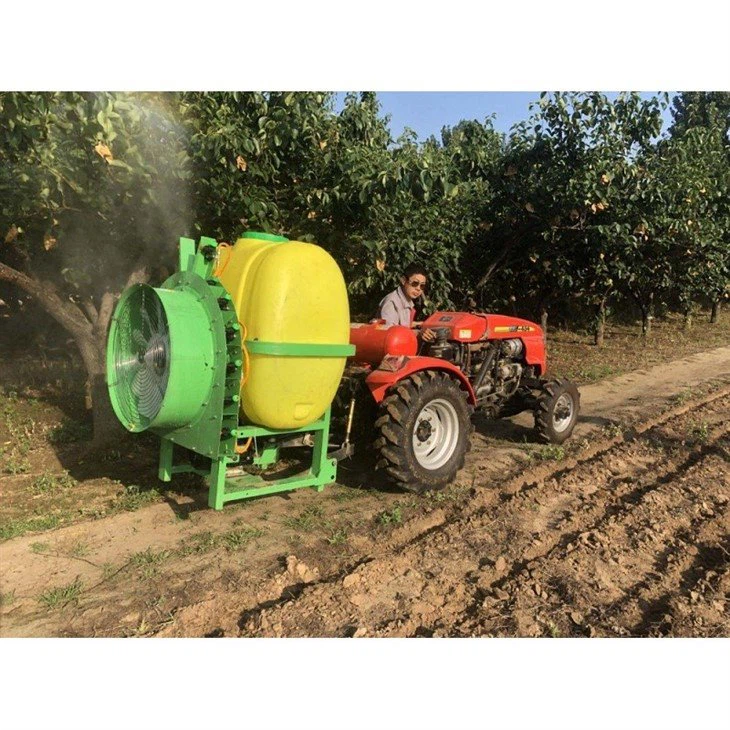
A farm pesticide sprayer has a tank where you mix the concentrated pesticide with regular water. Once the liquids are in the sprayer, you pressurize the tank by pumping air into it. This is usually by a manual hand pump, but fancier sprayer have powered pressurizers. The air compresses at the top of the tank which puts downward pressure on the liquid. With the pressure pushing down on the liquid, there’s only one place for it to escape - up the straw that leads to your spraying wand.
- Fast Delievery
- Quality Assurance
- 24/7 Customer Service
Product Introduction
TRANRY: Your Professional Farm Pesticide Sprayer manufacturer!
Products have been exported to more than 30 countries and regions including Brazil, Chile, Argentina, South Africa, Australia, Russia, Ukraine, Kazakhstan, Egypt, Algeria, Pakistan, and Poland.
Rich Experience
We have been engaged in agricultural machinery manufacturing since 1999, with 24 years of manufacturing, sales and export experience. The factory area exceeds 90,000 square meters, 6 complete production lines and more than 80 experienced employees provide support for our production.
Professional Agricultural Machinery
Our products are mainly various tractors with power ranging from 8HP to 300HP. We also supply other agricultural machinery and equipment, including backhoe loaders, excavators, trailers, diggers, planters, harvesters, sprayers, plows, rakes, etc.
One-Stop Service
Our R&D, technology, service and after-sales teams will provide professional, energy-saving and reliable product solutions during your purchase process. Service staff are online 24 hours a day to provide professional one-stop services to customers in the agricultural field.
Product Quality Assurance
We follow a strict quality management system and have passed industry implementation standards such as ISO14000, ISO9001, GJB9001-2001A, etc., so that the safety and reliability of our products are guaranteed. Quality inspection specialists will also inspect every production link.

Introduction to Farm Pesticide Sprayer
A farm pesticide sprayer has a tank where you mix the concentrated pesticide with regular water. Once the liquids are in the sprayer, you pressurize the tank by pumping air into it. This is usually by a manual hand pump, but fancier sprayer have powered pressurizers. The air compresses at the top of the tank which puts downward pressure on the liquid. With the pressure pushing down on the liquid, there's only one place for it to escape - up the straw that leads to your spraying wand.
Related Products

The boom sprayer works by spraying chemicals through a long horizontal boom that extends from the sprayer. The boom is typically mounted on a tractor or a truck and can be adjusted to different heights and widths to suit the specific requirements of the field.

Power sprayer is a powerful garden and agricultural tool that has become increasingly popular in recent years. This type of sprayer is designed for spraying liquids such as herbicides, pesticides, and fertilizers on crops, plants, and trees.

Air sprayers come in a range of models to suit different types of applications – from handheld sprayers to larger models with more power and capacity. Furthermore, air sprayers employ technology that allows for thorough, uniform coverage of the sprayed material.

Featuring a durable tank and advanced spraying system, the pesticide sprayer is easy to use and highly effective. With its adjustable nozzle, you can customize the spray pattern to suit your specific needs and ensure that every inch of your crop is adequately covered.

The machine is environmentally friendly as it helps to reduce the amount of chemicals needed to treat a crop. This is because it ensures that the pesticides and fertilizers are applied evenly, reducing the need for repeated applications.

By using specialized nozzles and spray patterns, farmers can coat their crops evenly and thoroughly, ensuring that every plant receives the necessary protection. This not only saves time but also reduces the amount of chemicals needed, making it a more environmentally responsible option.
Backpack Sprayers
Backpack sprayers are individual, small capacity use sprayers designed for personal mobility and carried via shoulder straps. They are ideal for small-area target spot spraying around structures, landscape, fencing perimeters, and foliage applications such as decorative plants and garden plot spraying.
Spot Sprayers
Spot sprayers are versatile, low capacity, small transport sprayers. They are well suited for repeat, target spray operations that may be separated by land distance or located on separate properties, as in commercial uses. Spot sprayers are often used among landowners and small businesses that can benefit from the sprayer's versatility and maneuverability.
ATV Sprayers
ATV sprayers are high transport, spot spraying systems designed for off road, difficult terrain access areas. ATV sprayers are ideal for land, property owners that have distant target spray areas or fences. This sprayer type is designed for quick attachment onto common ATV body frames and is often utilized for smaller scale spray operations, quick response uses, and repeat spray needs, as for livestock and perimeters.
UTV Sprayers
Similar to ATV sprayers, UTV spray systems are designed for utility vehicle mount for off road mobility and spray access within hard to reach areas. UTV sprayers feature increased capacity tanks, pumps, and nozzle pressure capabilities to make them well-suited across a wider range of application requirements. This sprayer type is frequently utilized in professional, commercial, agriculture, and personal grounds keeping / landscaping, with additional focus in pest control maintenance and fertilization, irrigation activities.
Trailer / Tow-Behind Sprayers
Trailer sprayers are designed as tow behind options for vehicles fitted with hitch type pull systems. Example matching vehicles include: utility tractors, ATVs, UTVs, pickup trucks, and other common vehicles featuring tow packages. Tow behind sprayers are self-contained, mobile spraying systems often used in small to medium boom/boomless spray operations. Agriculture, farmers, landowners utilize trailer sprayers for a multitude of property jobs involving watering or application of crop performance chemicals and general pesticides, herbicides.
Pickup Truck Bed Sprayers
Pickup truck bed sprayers are full operation spraying systems engineered to fit in many traditional pickup truck beds. This sprayer type differs from other sprayers with increased capacity fluid tanks that have been designed for the portable delivery of high pressure, large volume, focused target applications.
3-Point Hitch Sprayers
Three-point hitch sprayers are full equipment systems comprised of a fluid storage tank, plumbing, category one 3-point hitch attachment mechanism, handgun nozzle, and/or folding boom arms. This sprayer type is often fitted to utility tractors but can mount category 1 hitch systems also.
Boom Sprayers
Boom sprayers are an advancement of the solitary spraying nozzle to an engineered design incorporating multiple nozzles to cover significantly more spray area than other sprayer types. They are often employed in the spraying of bulk land areas from small farm plots, rolling pasture land, to large multi-acreage crop fields. Boom sprayers are simple in design and feature nozzle-equipped sprayer arms that attach to a tractor or vehicle with span reaches up to 30 feet.
Boomless Sprayers
Boomless sprayers, also called no booms, are specially engineered spray nozzles designed to vehicle mount and provide high distance, swath-projection spray fluid delivery. No booms are often employed when spray areas are hard to reach, have impracticable access for vehicles or boom sprayers, or in scenarios of bulk, above ground crop product applications (e.g. corn, vineyards). Boomless sprayers require an entire sprayer system for complete operation, (pump, tank, plumbing).
Advantages and Benefits of Agriculture Sprayer Machines
Precision Application: One of the primary advantages of agriculture sprayer machine is their ability to deliver precise and uniform application of agrochemicals. This ensures that the right amount of chemicals is distributed evenly across the crop, minimizing wastage and optimizing their effectiveness.
Time and Labor Savings: Using an agriculture sprayer machine significantly reduces the time and labor required for crop protection tasks. Compared to traditional manual spraying methods, which can be time-consuming and physically demanding, sprayer machines can cover large areas efficiently and effectively.
Increased Efficiency: Agriculture sprayer machine enable farmers to spray their crops more efficiently, covering a greater area in a shorter period. This efficiency translates into higher productivity and better resource management, leading to improved overall farm performance.
Enhanced Crop Health: By precisely targeting the application of agrochemicals, sprayer machines help control pests and diseases effectively. This contributes to improved crop health, minimizing crop loss, and ensuring high-quality yields.
Eco-Friendly Practices: Many modern agriculture sprayer machines are designed with eco-consciousness in mind. They incorporate features that reduce chemical drift and wastage, promoting environmentally friendly farming practices.
Uses of an Agricultural Sprayer

Liquid Fertiliser Application
The sprayer is loaded with liquid fertiliser to efficiently distribute the fertiliser to the crops. The main purpose is to supply the crops with nutrients, and it is extremely effective due to its ability to target specific crops without losing liquid to evaporation or weather conditions such as wind.

Spraying Water
A water sprayer is used to spray water on plants and crops with the goal to hydrate them. They are high-pressure sprayers that are used over small areas for irrigation. Likewise, before crops are harvested, they are sprayed with fresh water to clean any chemicals away that may have been left behind.
Spraying Herbicides Or Fungicides
These are mixed with water and sprayed onto crops to prevent any fungi from developing or unwanted vegetation from growing.

Pest Control
A crop sprayer is extremely effective in controlling pests, and pesticides are mixed with water and sprayed on the affected areas of crops to eliminate infestation.
Components of Farm Pesticide Sprayer
Pump
The sprayer pump moves the liquid at a high volume producing the flow needed to operate the spray boom, agitation, rinse, inductor, and all the other aspects of the sprayer.
Tank
Large sprayers usually have more than one tank. The main storage tank is the largest tank and might hold as much as 1000 gallons or more. Tanks can be made out of chemical-resistant poly material or stainless steel.
Boom
A spray boom is one of the most distinctive features of a large agricultural sprayer. The spray boom covers a wide swath and contains a set of evenly spaced nozzles that deliver the liquid.
Regulating Valve
Regulating valves automatically open and close, adjusting the flow according to the settings on the rate controller, and the speed of the sprayer.
Flow Meter
The output of an agricultural sprayer is monitored by a flow meter. The flow meter tells the sprayer control console and allows the control console to tell the regulating valve how much to open or close.
Boom Valves
Also known as section control valves. These electronic on/off valves offer the operator the ability to shut off flow to individual sections on a sprayer boom.
Inductor Tank
Inductor tanks are small cone-shaped tanks that allow chemicals or other products to be added to the sprayer tank. When the farmer wants to add a herbicide or adjuvant by hand, they direct flow from the pump to the inductor tank plumbing.
Spray Nozzles
Although small, the sprayer nozzles are very important. They deliver the liquid to the target. Sprayer nozzle technology is advanced and more complex than you would think when looking at the small, seemingly simple nozzle.
Hoses and Plumbing
Connecting all the meters, valves, and tanks requires chemical-resistant hoses, and pipe fittings to hold up to the variety of products used to treat crops. Polypropylene fittings and EPDM rubber hoses are the most commonly used types on modern agricultural sprayers.
Line Strainers
Filtering out debris is important to protect sprayer pumps and meters from damage. They also keep spray nozzles from plugging. That is why there are several line strainers used in agricultural sprayers.
Rinse Tank
A smaller tank that holds exclusively freshwater and is used to rinse out the sprayer. Rinsing is important when a farmer moves to a new field as some chemicals that are sprayed on one type of crop may harm another.
Rate Control Console
The computer that monitors speed, flow, and pressure is called the rate controller. It adjusts the output of the sprayer automatically to maintain a target application rate. Making sure that the same amount of spray solution is applied over each acre.
GPS
A GPS receiver allows the sprayer to avoid overlapping coverage and monitors the sprayer's speed. The rate controller used the GPS input to properly adjust the sprayer output.
Hydraulics
Large sprayer pumps are often hydraulically driven and the sprayer booms are raised, lowered, and folded via hydraulic cylinders.
Assembling the Pattenator: The Pattenator is a calibration tool specifically designed to capture and measure, not simply spray output, but also the range and direction of that output in order to establish a clear picture of that application itself.
Check your Primary Filter: When filling your sprayer tank, be sure to check the primary filter to make sure it's clean. If you find that's it's dirty, be sure to check your nozzles to see if they're clogged before spraying.
Tire Pressure: When doing ground-speed calibration, having properly inflated tires will help ensure accurate calibration and efficient operation of your equipment. Remember to have your spray tank is full when checking the tire pressure.
Pressure Gauge Accuracy: When using any type of sprayer, pressure gauges will tell you the operating pressure. Know your sprayer pressure requirements and match the pressure gauge on your sprayer to the pressure range you will be operating at, as shown in this video.
Taking Proper Notes
With any type of sprayer, referring to your records of sprayer calibration is an important step in ensuring accuracy of your application rates.
Winterizing Your Sprayers
As winter approaches, it's important to winterize your spray equipment so it will be in good condition and ready to use for the next season.
Spray Rate Conversions
When calibrating your sprayers and preparing spray mixtures, you may find that you need to convert units between gallons per acre, gallons per 1,000 square feet, and fluid ounces per 1,000 square feet.
Things to Consider When Buying a Sprayer
Know Your Area's Weather Conditions
The primary aim of spraying your crops or a field is to protect your plants and encourage growth. This requires you to pay close attention to factors such as temperature, wind speed and precipitation, which are vital when evaluating how far a liquid pesticide or herbicide mixture can travel.
Understand the Uses and Applications of Sprayers
There are several uses for sprayers, whether commercial or residential. In agriculture, you need sprayers to take care of your land, crops and livestock. For example, sprayers are necessary when applying herbicides and fungicides to protect your land or deal with pest control. They're also efficient when using liquid fertilizers for your crops. Similarly, they help when distributing water to your plants and crops.
Consider the Crops You Grow
The types of crops you grow also determine your choice of sprayers - different crops have different needs. Moreover, the various areas of the plant may require additional treatments depending on the diseases or pests you want to eliminate. This makes precision crucial, so choose a sprayer that makes it easy to hit the target areas of your specific crops.
Know Agriculture Sprayer Specifications
Each sprayer type has a unique specification. Have a good idea of each sprayer's features and choose one that matches your needs. For instance, a standard 3PT tank size can range from 60 to 300 gallons. If you require a larger tank size or engage in heavy-duty activities, choose the built-to-order option. Consider the variety of booms available and choose the control and pump option you prefer. If there are accessory options, consider those, as well.
Consider Spraying Area Size
The area where you're spraying impacts which sprayer you choose. A 1-liter hand sprayer or 4-gallon backpack sprayer may be suitable for relatively small crops, such as for a home gardener. In contrast, your farm will likely require an all-terrain vehicle (ATV) sprayer or a three-point (3PT) boom sprayer to cover the most ground, whether standard or built-to-order.
Check the Current State of Your Equipment
Before purchasing a new sprayer, assess your current selection of agricultural equipment and gear. Check if you have a sprayer that can equally execute the given task. If any equipment is broken, consider whether repairs will be the appropriate solution. If it's too old to repair or would require extensive work to get up and running, it may be time to invest in a new model.

- Completely spray out the mixture from the sprayer immediately after spraying. Do not allow spray mixture to sit overnight.
- Fill sprayer with enough clean water to flush all hoses, booms, and nozzles. Remove end caps of boom (if equipped) where residues can accumulate.
- Inspect and clean all strainers, filters, nozzles, and screens for residue.
- Precisely follow the directions for the tank cleaning agent or the procedures listed on the herbicide product label. Ensure that all surface areas of the tank are washed with cleaning solution.
- Agitate the mixture and recirculate for at least 15 minutes. Charge all pumps, hoses, and nozzles by spraying a small amount of solution through the sprayer; ensure the solution is spraying out of the nozzles.
- Shut off the sprayer, keeping the hoses and nozzles charged.
- Remove and clean all nozzles, screens, and strainers with tank cleaning solution. Drain pump, filters, and lines.
- Completely wash and rinse the outside of the sprayer.
- Refill the tank with clean water and empty. Check all strainers, filters, nozzles, and screens, because this process can free residue from the sprayer.
- Appropriately dispose of all rinsate in compliance with local, state, and federal requirements.
Common Sprayer Problems and How to Fix Them
Clogged Nozzles
Clogged nozzles are one of the most common sprayer problems. Debris and residue from spraying materials can accumulate over time, obstructing the nozzle openings. As a result, spray patterns may be uneven or completely blocked. To solve this issue, you can follow these steps:
- Step 1: Disconnect the sprayer and release the pressure.
- Step 2: Take the nozzle or nozzle tip-off.
- Step 3: To remove any buildup, rinse the nozzle in warm, soapy water.
- Step 4: Clear any remaining debris from the nozzle openings with a small brush or needle.
- Step 5: Reassemble the nozzle and test the sprayer to ensure even coverage.
Leaking Hoses or Connections
Hose or connection leaks can result in wasted spraying materials and decreased efficiency. To resolve this issue:
- Step 1: Disconnect the sprayer and release the pressure.
- Step 2: Examine the hoses and connections for visible damage or loose connections.
- Step 3: Tighten or replace any loose connections or hoses.
- Step 4: To create a tight seal, apply a small amount of plumber's tape to the threaded connections.
- Step 5: Check the sprayer for any remaining leaks.
Weak or Inconsistent Spray
A weak or inconsistent spray pattern may indicate a problem with the pump or pressure settings, which can be resolved by following these steps:
- Step 1: Examine the pump for signs of wear or damage.
- Step 2: Check that the pump is properly primed and that there is enough spraying material in the tank.
- Step 3: Adjust the pressure settings per the manufacturer's recommendations.
- Step 4: To ensure proper flow, clean or replace the strainer and filter.
- Step 5: If the problem persists, consult the sprayer's user manual or contact the manufacturer.
Overheating
When used for extended periods of time or in high-temperature environments, some sprayers can overheat. This can result in decreased performance or even sprayer damage. To avoid overheating:
- Step 1: Stick to the manufacturer's recommendations for usage time and rest periods.
- Step 2: If the sprayer is hot to the touch, turn it off and wait for it to cool before proceeding.
- Step 3: If possible, avoid using the sprayer in extreme temperatures.
- Step 4: Clean and maintain the sprayer on a regular basis to avoid excessive buildup, which can contribute to overheating.
Ultimate FAQ Guide to Farm Pesticide Sprayer
Q: What is the main function of sprayer in agriculture?
Q: What is the purpose of a sprayer?
Q: How do farmers take care of a sprayer?
Q: What are the advantages of sprayers?
Q: What is the most important part of the sprayer?
Q: How do you clean pesticide from a sprayer?
Q: What are the disadvantages of sprayer?
Q: What are the farm machinery sprayers types and function?
Q: Is sprayer used in spraying pesticides and fertilizers?
Q: How can we maintain a sprayer?
Q: What are the advantages of sprayers in agriculture?
Q: How many types of sprayers are there?
Q: How do you clean an agricultural sprayer?
Q: What is a disadvantage of a high pressure sprayer?
Q: What is the primary advantage of power sprayers?
Q: What are the disadvantages of a boom sprayer?
Q: What are the components of a sprayer?
Q: What are the limitations of sprayers?
Q: What are the factors that affect the performance of a sprayer?
Q: What precautions should be taken when using sprayer?
Do not smoke, eat or drink when spraying.
Do not use it when it is windy.
Do not spray against wind direction.
After use, always wash hands and face before attempting to eat, drink or smoke.
Never blow to clear the blocked nozzle with the mouth.
Q: What are the factors affecting the drift of a sprayer?
Q: Why the sprayer should be cleaned after use?
Hot Tags: farm pesticide sprayer, China farm pesticide sprayer manufacturers, suppliers, factory, Agricultural Power Sprayer, Sprayer, Farm Pesticide Sprayer, Farm Spray Equipment, Agricultural Sprayer Machine, Atv Boom Sprayer


